
RFIS Is A System.
Not A Product.
RFIS works across multiple layers — detecting early signals, stopping spread, and containing the event before it escalates.
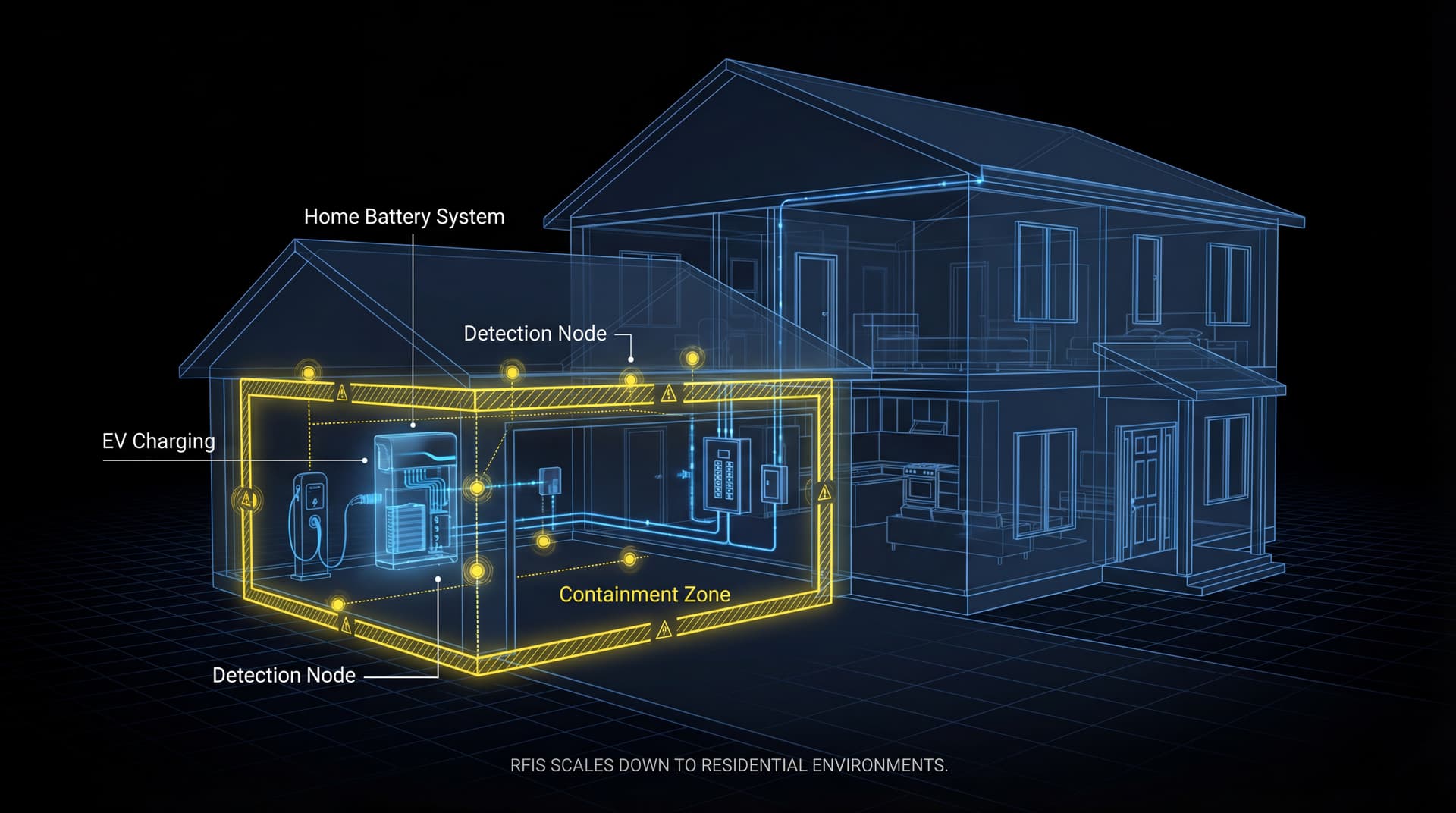
Five Layers. One System. No Spread.
System-Wide Cascade Events Can Result In Multi-Million Dollar Losses And Extended Downtime
Sensing
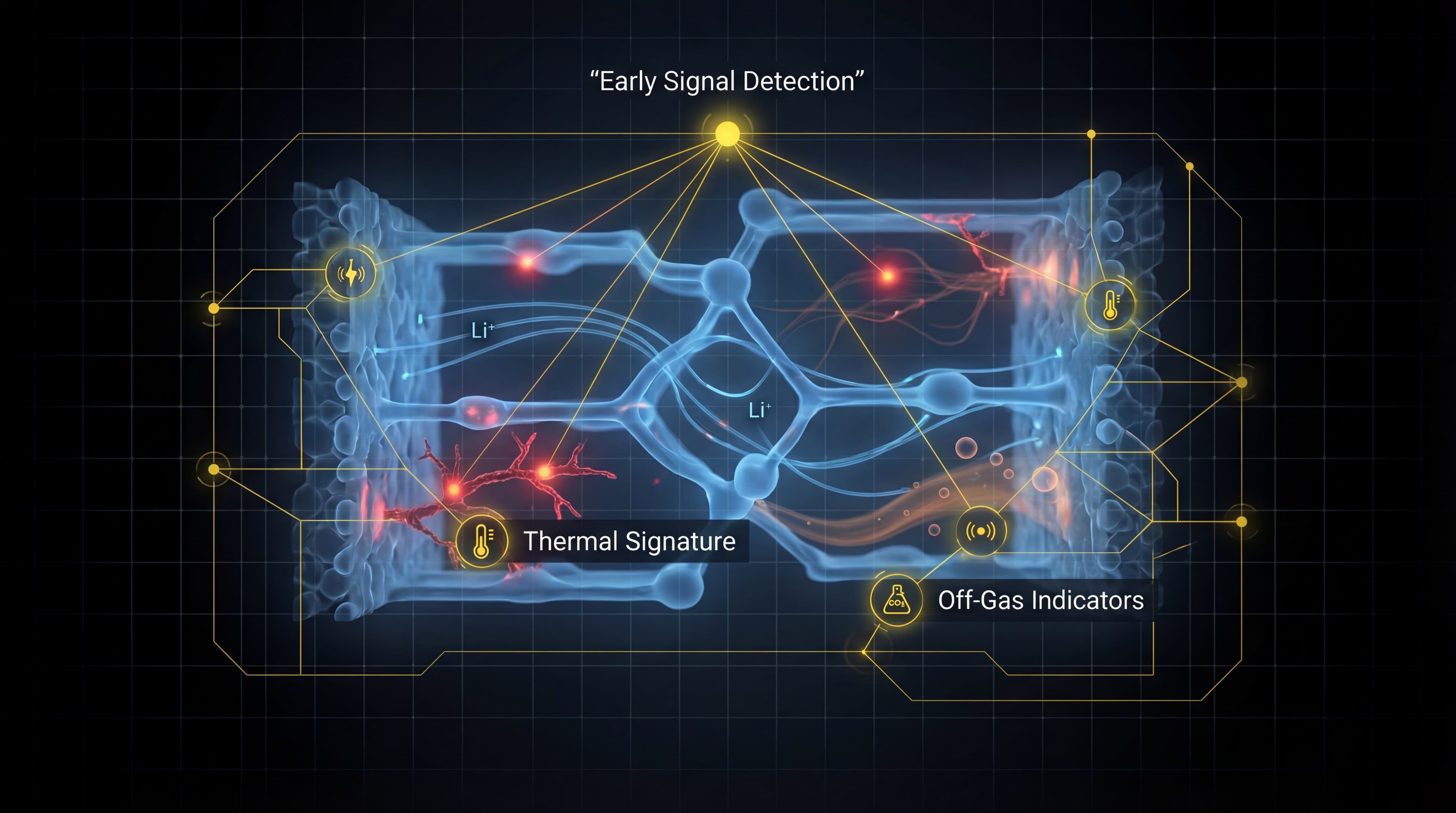
Detects early failure signals before ignition. Monitors heat, gas, and electrical changes across the system.
- Thermal gradient monitoring across cell and module boundaries
- Off-gas precursor detection at sub-ignition concentrations
- Electrical signature analysis for cell-level stress indicators
Decisioning
Classifies risk in real time. Determines whether intervention is required and how to respond.
- Multi-signal fusion for high-confidence failure classification
- Propagation trajectory modeling from real-time sensor state
- Graduated response protocol — escalating from monitoring to intervention
Deployment
Targets the failure at its origin. Interrupts propagation before it becomes self-sustaining.
- Precision deployment timed to the early propagation window
- Chemistry-layer intervention targeting failure mechanism, not flame
- Spatial targeting calibrated to the event origin and trajectory
Containment
Controls the event boundary. Prevents spread across adjacent systems and infrastructure.
- Event boundary definition and monitoring throughout the incident
- Adjacent asset protection through isolation and targeted response
- Off-gas management to reduce secondary ignition and toxicity exposure
Restoration
Enables faster recovery. Documents the event and restores operations with minimal downtime.
- Post-incident documentation package for AHJ and insurance purposes
- Clearance assessment and re-commissioning support
- Incident data export for root cause and fleet learning
Operating At The Chemistry Layer
RFIS intervention targets the electrochemical failure mechanism — not the downstream thermal or combustion event that results from unchecked propagation. This distinction is architecturally significant.
Thermal runaway in lithium-chemistry cells is self-oxidizing — the cell generates its own oxygen as part of the failure chemistry. Suppression systems designed around the fire triangle (fuel, heat, oxygen) cannot interrupt a process that is chemically autonomous.
RFIS engages the failure at the precursor stage — before the self-sustaining chemistry establishes — or interrupts the propagation vector between cells, limiting cascade to the minimum possible boundary.
What Changes When RFIS Is In Place
Built For Systems That Can't Afford To Fail.
Wherever energy is concentrated, one failure can cascade into system-wide loss.

Data Centers
A single battery failure can cascade across rack-level and room-level infrastructure.
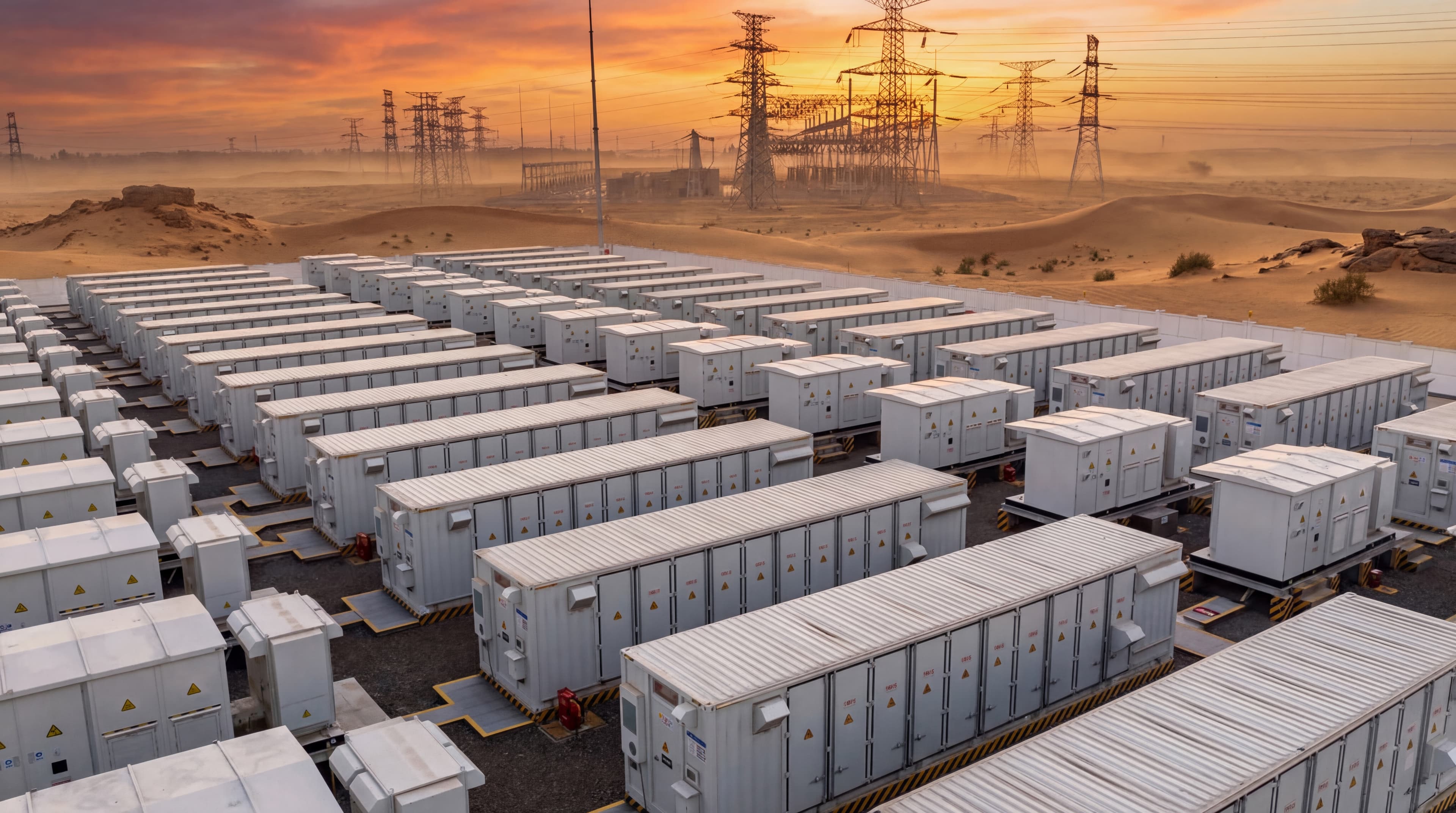
Energy Storage
Containerized battery systems can propagate cell-to-cell at utility scale.

Aviation & Aerospace
Lithium-based failures in confined systems require immediate interruption before escalation.

Federal & Defense
Mission-critical facilities require documented, bounded, and recoverable outcomes.
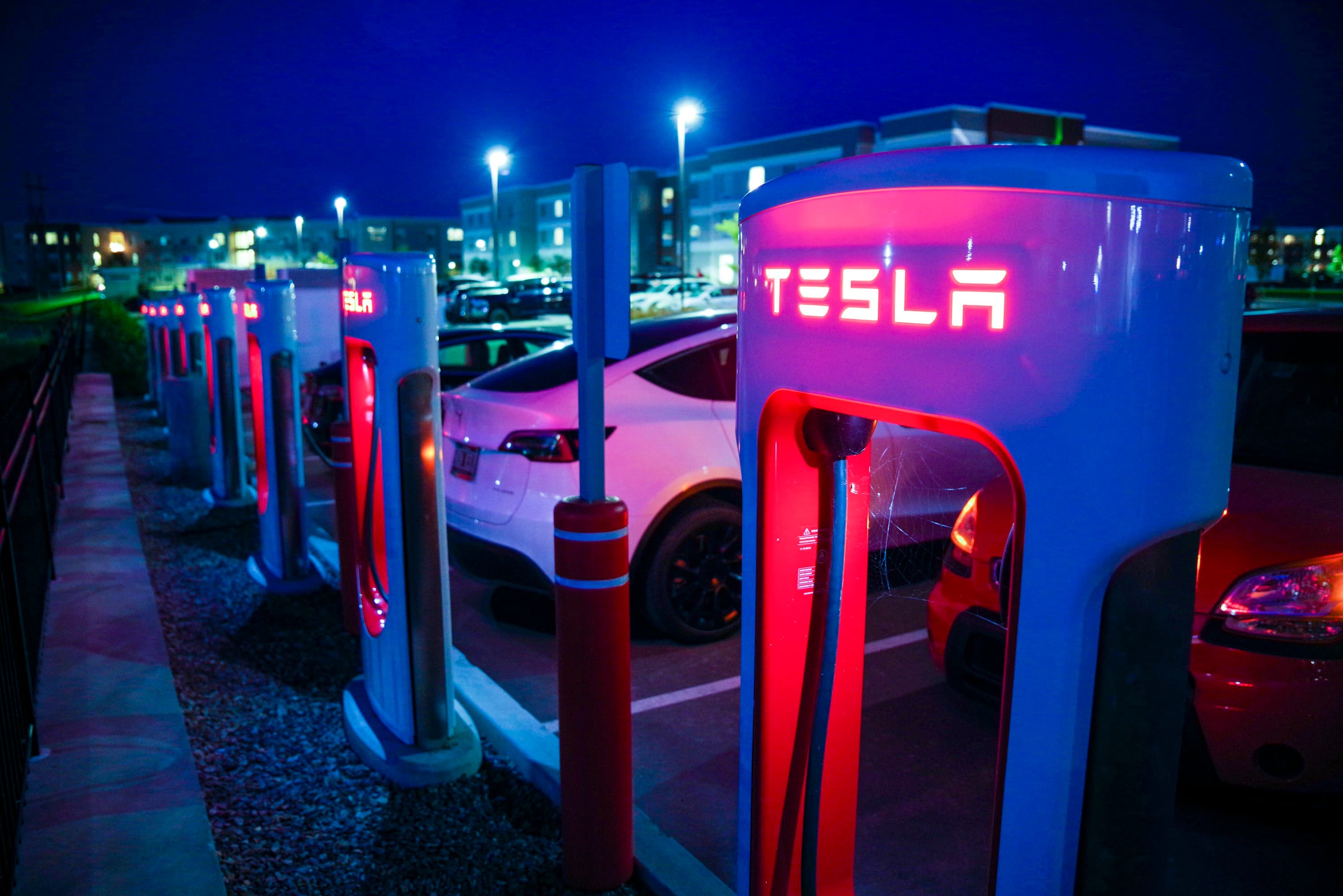
Charging Infrastructure
One vehicle event can cascade across adjacent charging bays in high-density environments.

EV Environments
Parked vehicles in close proximity increase the risk of multi-asset propagation events.
See How RFIS Stops Propagation — Before It Spreads.
Get a detailed breakdown of how RFIS detects early failure, stops propagation, and protects critical infrastructure.