
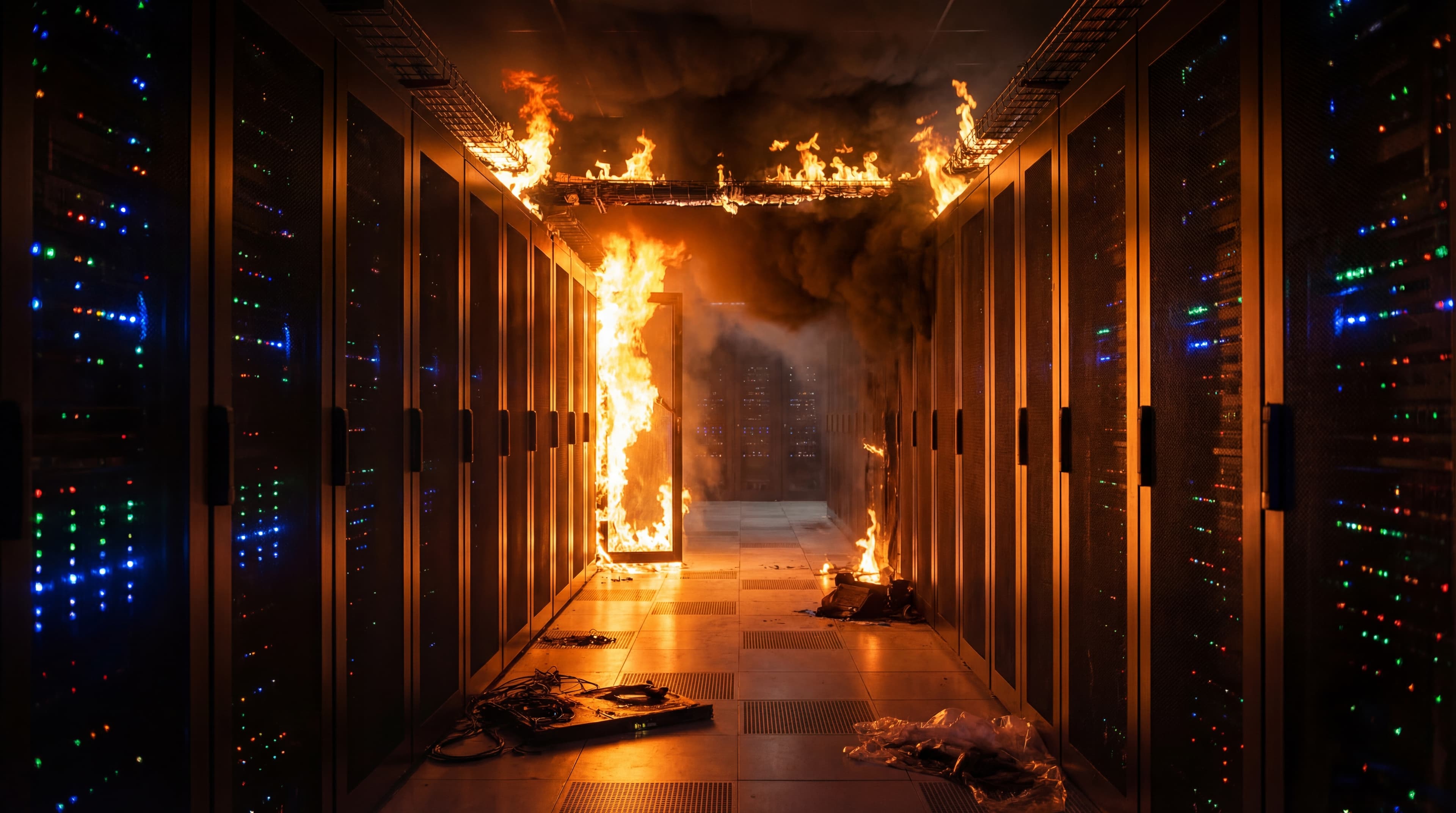
Fire protection didn't evolve with electrification. Naberstone did.
The Risk Changed.
The Paradigm Didn't.
Legacy fire protection was built for combustion — heat, oxygen, fuel.
Electrified infrastructure fails differently. Lithium-ion events are self-sustaining chemical reactions, generating their own oxidizer and propagating across systems.
Suppression reacts. It does not interrupt.
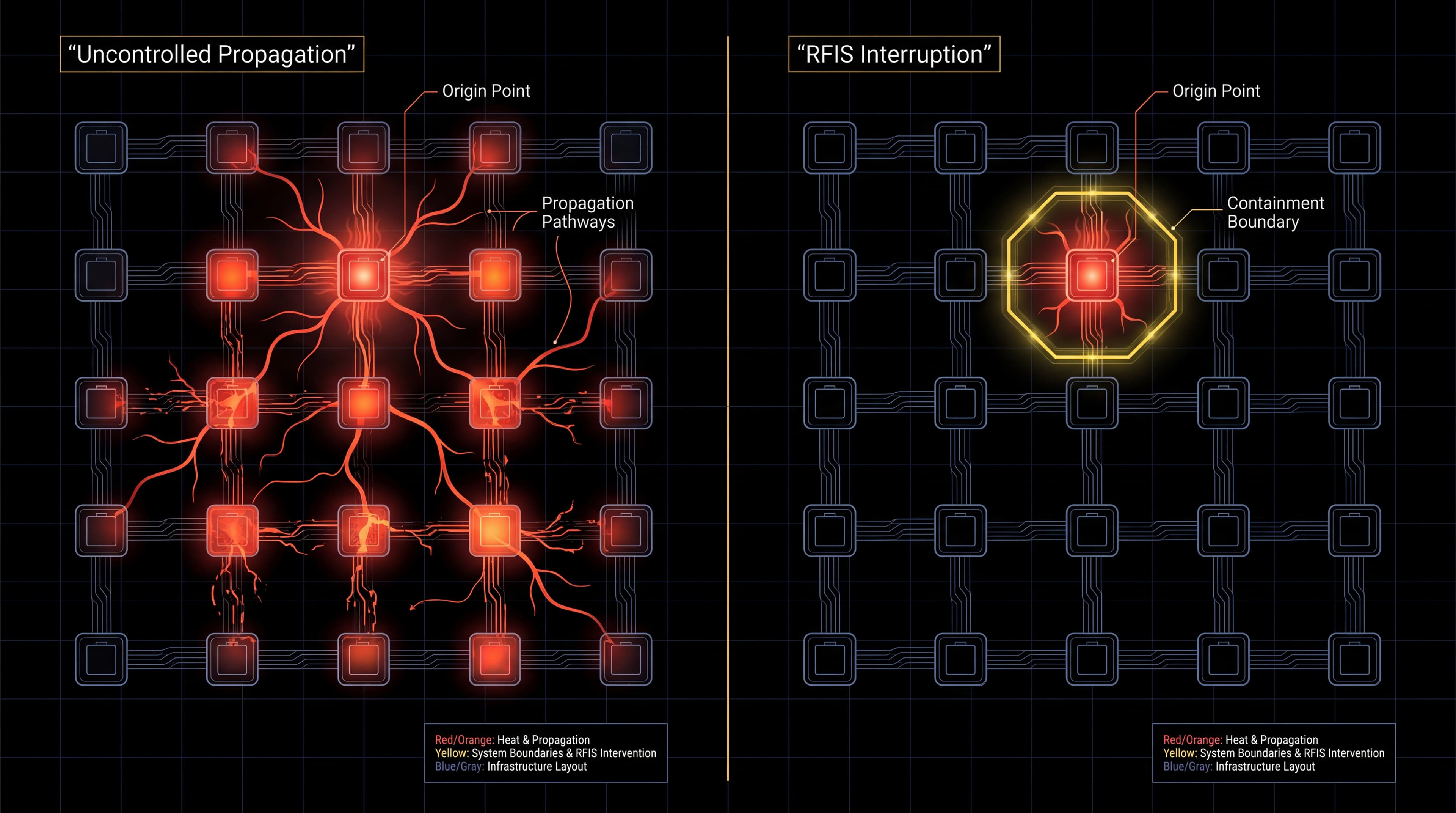
Fires in batteries can spread from cell to cell in minutes — not hours.
These fires make dangerous gases that can make the situation worse.
Today's safety rules focus on watching fires spread — not stopping them early.

From Putting Out Fires To Stopping Them Early.
For a long time, fire safety has been about putting out fires after they start.
That works for normal fires.
But batteries are different.
They create their own reaction and keep burning on their own.
So the goal isn't to put out the fire — it's to stop it before it spreads.
A New Category Of Fire Safety Infrastructure
Reactive Fire Interruption Systems
RFIS finds problems early, stops the reaction inside the battery, and keeps the fire from spreading.
Instead of waiting for flames, it stops the problem at the source.
This keeps damage small and easier to recover from.
Stop The Fire Before It Spreads.
Find The Problem Early
We watch for early warning signs — heat, gas, and changes in the system — before things get out of control.
Stop The Reaction
We act inside the battery's chemistry to stop the fire from growing and spreading.
Keep It Contained And Recover
We keep the problem in one place, protect nearby systems, and help everything get back to normal faster.
System-Level Outcomes
Stop fires from spreading
Reduce damage and toxic smoke
Get systems back online faster
Built For Systems That Can't Afford To Fail.
Wherever energy is concentrated, one failure can cascade into system-wide loss.

Data Centers
A single battery failure can cascade across rack-level and room-level infrastructure.

Energy Storage
Containerized battery systems can propagate cell-to-cell at utility scale.

Aviation & Aerospace
Lithium-based failures in confined systems require immediate interruption before escalation.

Federal & Defense
Mission-critical facilities require documented, bounded, and recoverable outcomes.

Charging Infrastructure
One vehicle event can cascade across adjacent charging bays in high-density environments.

EV Environments
Parked vehicles in close proximity increase the risk of multi-asset propagation events.
Safety Rules Are Changing. Stopping The Fire Matters Now.
Regulators are no longer asking if you have a fire suppression system. They're asking if your system can actually stop thermal propagation — and prove it.
UL 9540A and NFPA 855 are shifting the standard from “response” to “containment.” Compliance now requires documented evidence that your system interrupts failure — not just detects it.
Naberstone's RFIS platform is designed around these emerging frameworks — giving you a defensible, audit-ready position before the rules finish changing.
View Validation Framework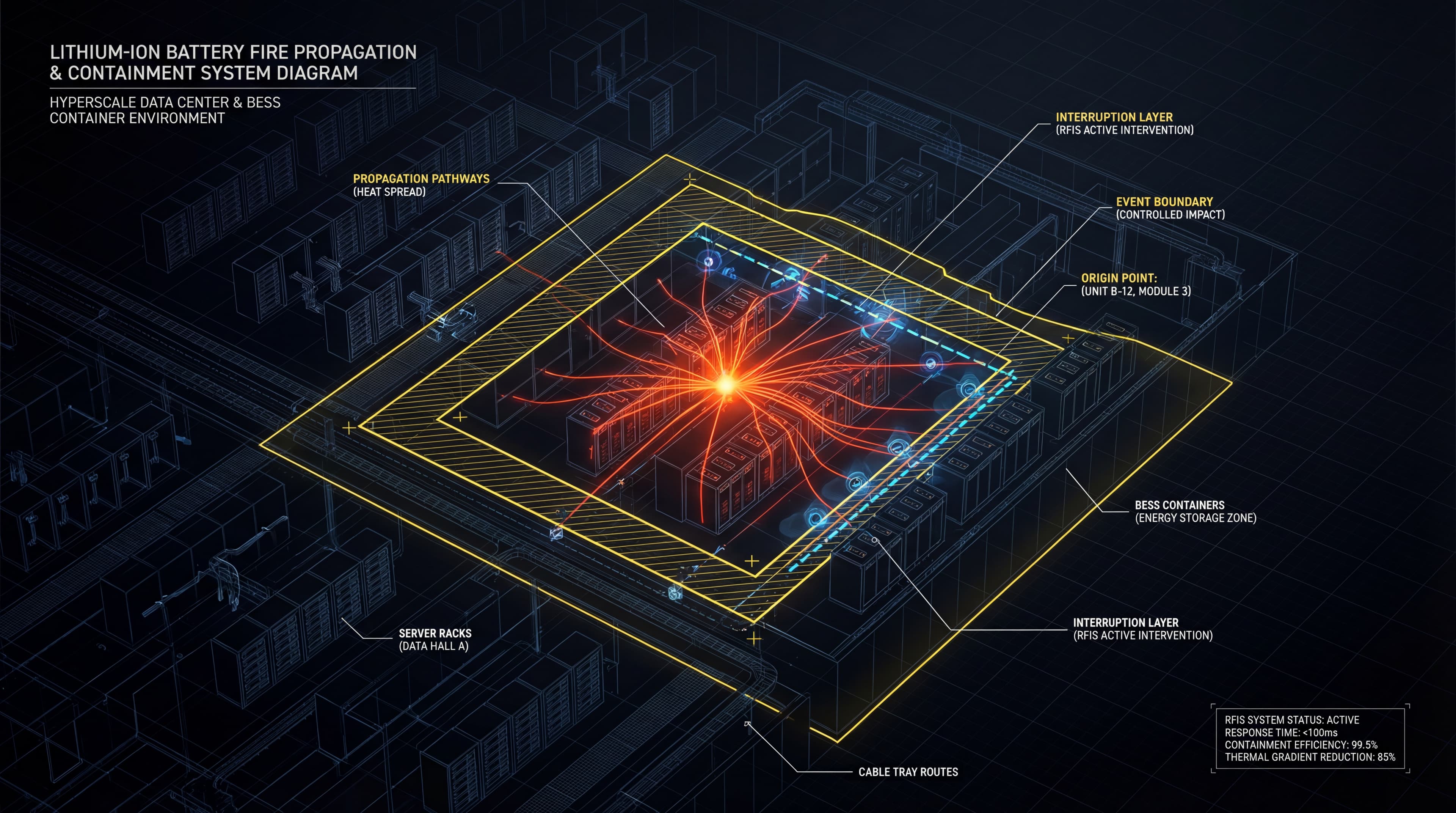
UL 9540A
Defines how battery fires spread at scale
NFPA 855
Shifting toward outcome-based fire safety
AHJ Documentation
Requires proof of containment — not assumptions
From Chemistry To Infrastructure — Engineered To Stop Propagation.
You can't stop a lithium fire at the surface.
You have to stop it where it begins.
RFIS is built on electrochemical failure modeling, propagation dynamics, and system-level engineering — designed for real infrastructure.
Chemistry-first design — Built on understanding failure at the electrochemical level
Propagation-aware systems — Designed to control how events spread across assets
Infrastructure-ready deployment — Engineered for real-world facilities and standards environments
Deploy RFIS Across Your Infrastructure
Naberstone works with operators, OEMs, and agencies to deploy RFIS through defined engagement models.
RFIS Deployment Models
Infrastructure Evaluation Program
Assess propagation exposure and RFIS readiness across your infrastructure.
OEM Integration
Embed RFIS capability directly into batteries, enclosures, and system platforms.
Federal Pathways
Deploy RFIS through aligned defense and federal infrastructure programs.
Strategic Partnerships
Scale RFIS across operators, developers, and infrastructure ecosystems.
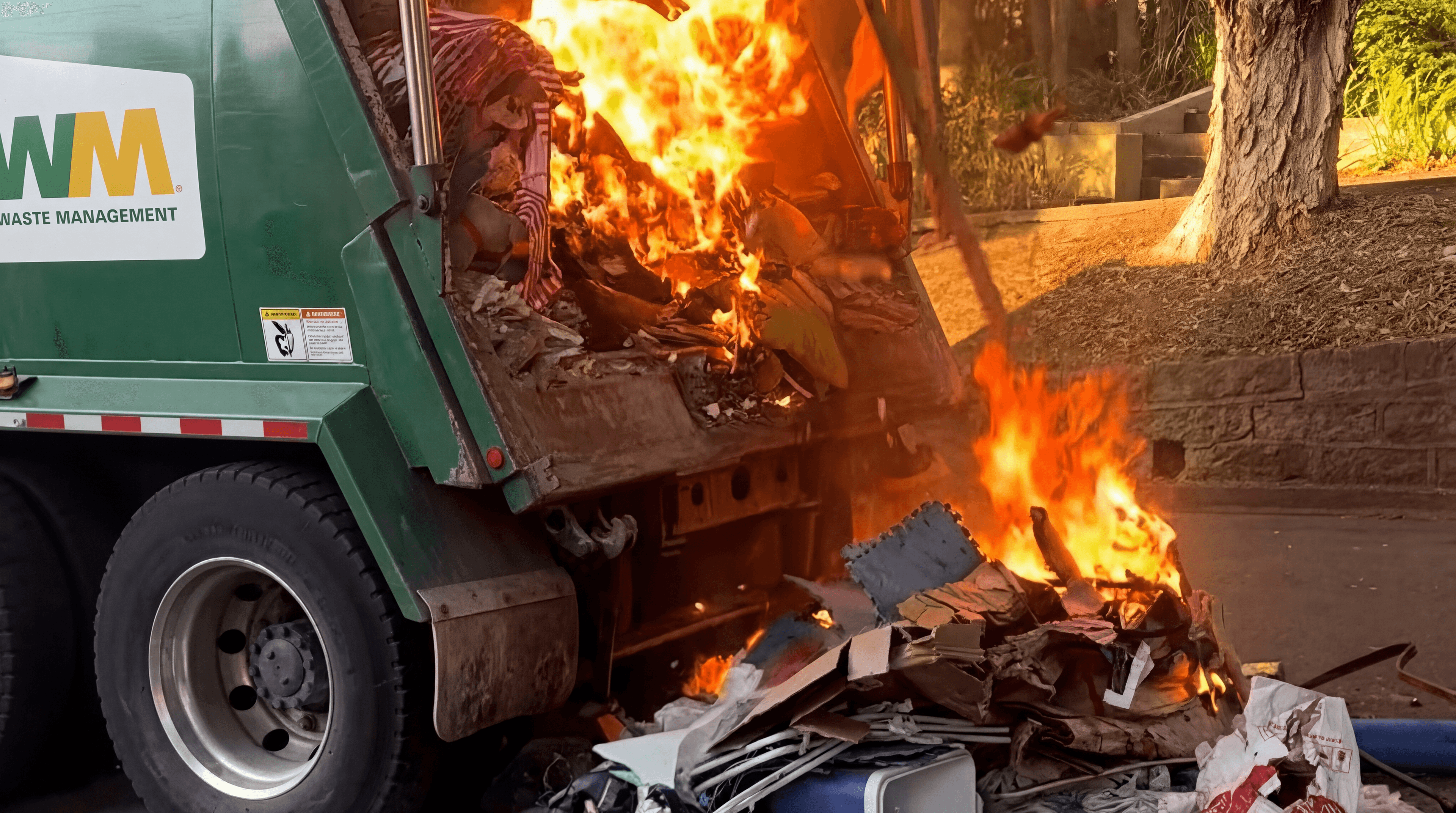
The Future Of Infrastructure Safety Starts Here.
Naberstone is the infrastructure layer operators, OEMs, and agencies rely on as electrification scales.
Built for infrastructure where failure is not an option.